Research

McCormick Institute for Early Childhood logo
By Robyn Kelton, Nudrat Hassan, & Xiaoli Wen April 22, 2026
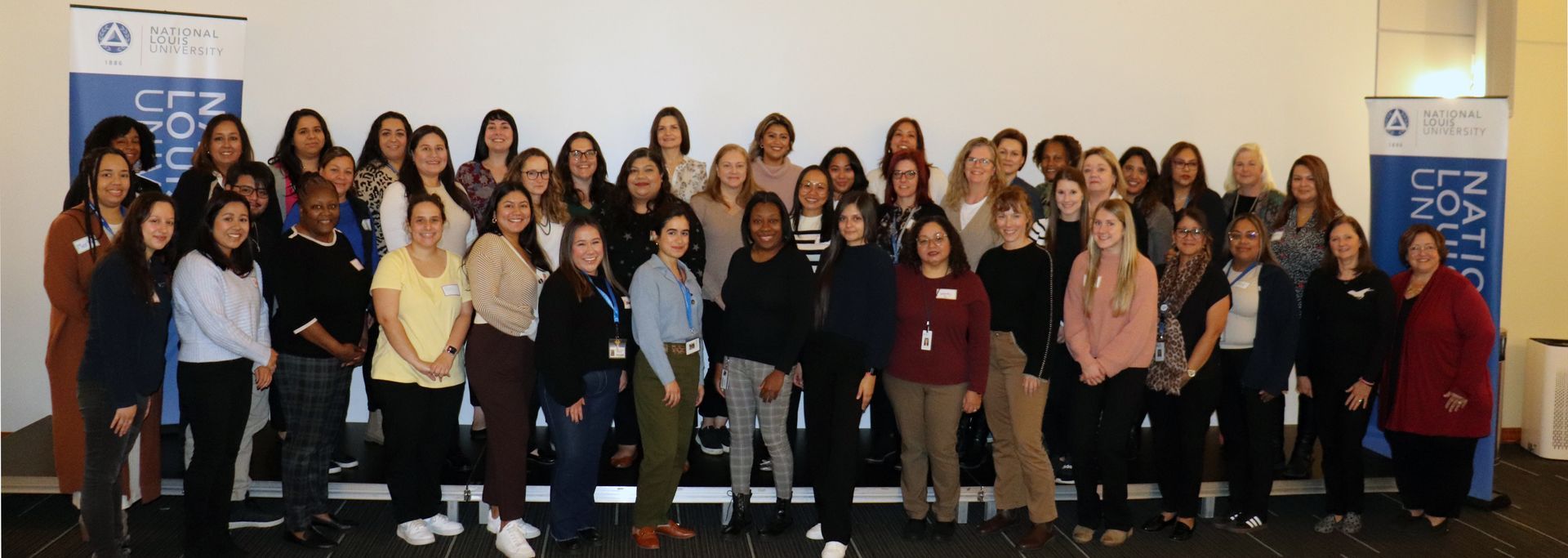
INTRODUCTION Family child care (FCC) programs, operated by licensed or listed early childhood education and care (ECEC) professionals within their homes, meet the diverse economic, cultural, and logistical needs of families and communities across the country. Family Child Care (FCC) offers flexible, culturally responsive care that supports parents’ ability to work. Yet, the number of FCC programs and FCC professionals has been declining for nearly two decades (Junus et al., 2026; National Center on Early Childhood Quality Assurance, 2020). One possible reason is that many FCC professionals open their programs with limited business training, despite serving dual roles as educators and small business owners(Kelton & Tenis, 2024a). A growing body of research highlights ongoing gaps in FCC business knowledge and capacity (Bromer et al., 2021; Kelton & Tenis, 2024a; National Center on Early Childhood Quality Assurance, 2020; Vieira & Hill, 2019). FCC professionals also report low confidence in financial management, data use, and marketing (Kelton & Tenis, 2024b). Without intentional investment in the development of FCC professionals, communities lose critical FCC options, reducing access, affordability, and stability for families. TAKING THE LEAD To help meet the unique needs of FCC professionals, the McCormick Institute for Early Childhood, formerly the Center for Early Childhood Leadership, at National Louis University, launched Taking the Lead (TTL). TTL is a cohort-based professional learning academy designed specifically for FCC professionals. It combines business acumen, leadership development, and advocacy skills to support sustainable FCC programs and improve the quality of care and education for children. The overarching goals of TTL are to help professionals: 1) develop strategies for growing and sustaining a thriving business, 2) improve quality practices as both business owners and educators, 3) build professional networks with other FCC professionals, and 4) deepen their understanding of their role as leaders. Since its launch in 2015, TTL has graduated 11 cohorts and nearly 200 family child care professionals in Illinois. TTL Core Training Elements Over a nine-month training cycle, TTL offers an FCC-specific curriculum with applied learning activities that strengthen professionals’ leadership capacity and business competencies while fostering collegial support and networking. Instructors create a GroupMe text chat for each cohort so participants can connect, network, and seek support outside monthly sessions. Each participant uses data from the Business Administration Scale for Family Child Care (BAS; Talan & Bloom, 2018) and the Family Child Care Environment Rating Scale-Revised (FCCERS-R) assessments to develop a Quality Improvement Plan (QIP) and receives a $300 grant to support implementation. At the end of TTL, each participant delivers a 10- minute presentation on the design and impact of their QIP. A primary objective of the leadership academy is to stabilize and retain the FCC workforce by supporting professionals in demonstrating competencies aligned with the Illinois Gateways to Opportunity FCC Credential and Illinois Quality Recognition and Improvement System (QRIS) ExceleRate™ Illinois, while also fostering a sustained commitment to professional growth. Because FCC professionals serve in dual roles as educators and business owners and often work extended hours, their time is limited. TTL was intentionally developed to ensure that its 119 hours provide meaningful learning that builds knowledge and skills, supports professional recognition, and strengthens pathways to increased compensation. The program is aligned with state and national quality improvement and professional development systems. Table 1 below highlights key areas of program alignment. Table 1 TTL Alignment with State and National Systems
By Robyn Kelton, M.A. June 27, 2025
Explore how employer-provided benefits impact staff turnover in center-based child care settings, and why supporting early educators matters for retention.
By Robyn Kelton, MA and Irina Tenis, PhD June 12, 2025
Explore the similarities and differences between center-based and family child care leaders, united by a shared mission.
Woman with glasses smiling, in a navy blazer, in front of a blue curtain with a US flag.
By Robyn Kelton, MA, and Irina Tenis, PhD April 3, 2025
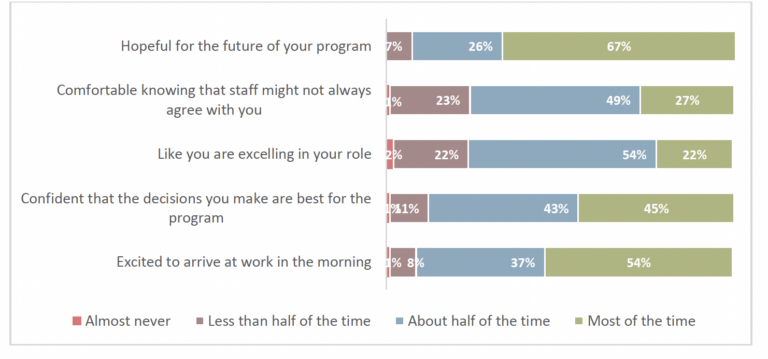
Learn about stress, burnout, and resilience among novice early childhood administrators—stress is common, but hope and professional supports can sustain them.
By Robyn Kelton, MA, and Irina Tenis, PhD June 4, 2024
Discover the vital role of family child care professionals, their challenges, and contributions as a critical workforce in early childhood education.
By Marie L. Masterson and Teri N. Talan May 9, 2024
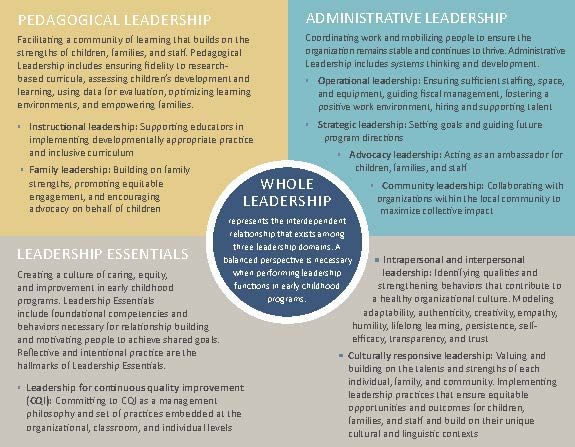
Discover the vision and impact of the Whole Leadership Framework, guiding early childhood leaders in driving change and strengthening programs.
By Robyn Kelton and Irina Tenis January 31, 2024
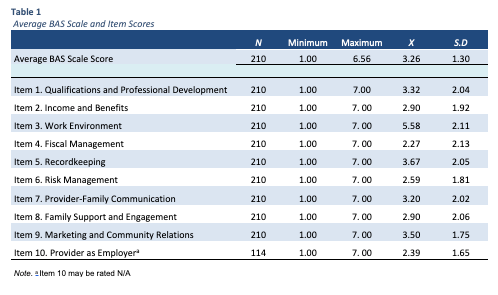
Family child care programs struggle amid declining numbers—this article reveals how improving business and professional practices can help sustain vital ECEC services.
By Robyn Kelton and Teri Talan June 27, 2023
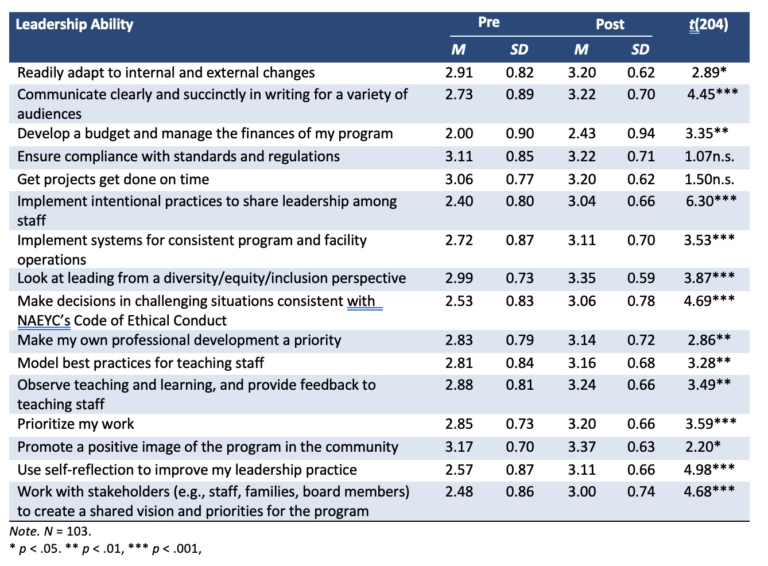
Learn how targeted professional development boosts novice administrators’ leadership skills, retention, and program quality in the critical first years.

By Teri Talan, Wendy Connell, and Marina Magid May 22, 2023
Learn how early childhood leaders embed continuous quality improvement—using data, coaching, shared decision‑making, and Plan‑Do‑Review cycles to boost outcomes.
By Robyn Kelton, Teri Talan, and Marina Magid December 6, 2022
Explore strategies for meeting the need for intensive, cohesive professional development to support educators and leaders during challenging times.
Show More