From Arrival to Impact: A Guide to Navigating Conferences

McCormick Institute for Early Childhood

BY Natalia Ambrozek | May 5, 2026

This document may be printed, photocopied, and disseminated freely with attribution. All content is the property of the McCormick Institute for Early Childhood.

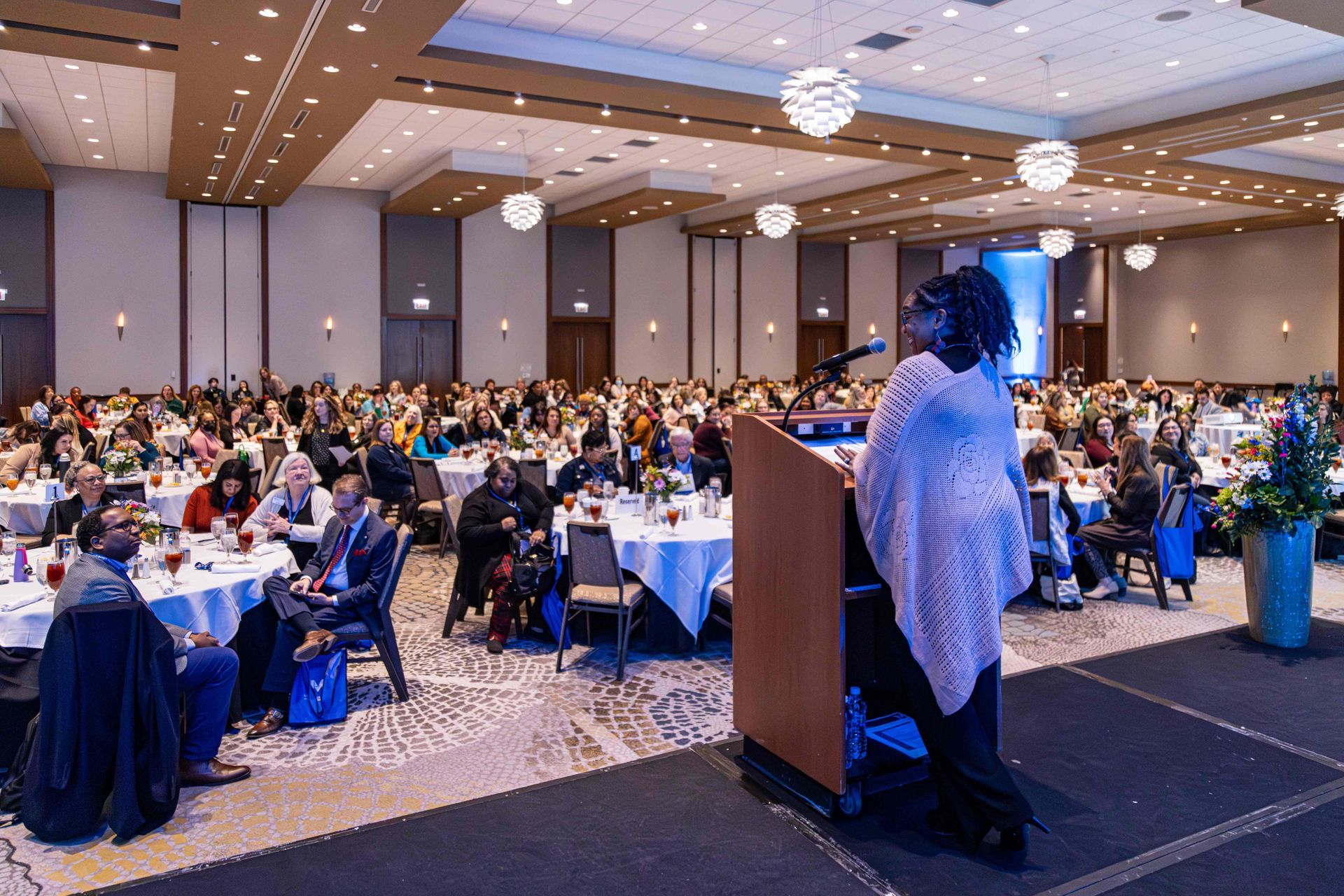
I remember my first opportunity to attend a multi-day conference. I was a young, novice assistant director in a child care program, and the leadership at my center wanted to invest in me. I got to step away from my ever-growing to-do list and focus on what I wanted to learn. I could not have been more thrilled.


And yet, waking up on day two of the conference, I felt more fatigued than on even the toughest days at my center. I had set sail without a map.


Hindsight has taught me that I would have benefited from some planning. A large, multi-day conference can be both eye-opening and exhausting. It benefits educators to come in open to possibilities and with a plan. Had I known this when I was younger, I might have been able to engage more deeply in that moment. This guide will provide concrete steps and reflection questions for you to consider as you prepare for your next conference. Whether you’re getting ready for your first conference or you’ve sailed these seas before and want a refresher, consider this a map to make you captain of your professional learning. Anchors aweigh!

CHARTING YOUR COURSE


Pack Smart


Conferences are usually a combination of sitting for longer periods of time, interspersed with walking through (often) long halls and spaces. You want clothes that are professional but comfortable all day. If you prioritize anything, ensure that you have comfortable shoes and layers. Climate control can be touchy in large spaces. I personally like packing a large lightweight scarf – it’s easy to wrap around me when I’m cold and throw into my bag when I’m done.


Additionally, think about your evenings and how you want to spend them. Do you want casual outfits for exploring the city or lounge clothes for hanging out in your hotel room? Are you planning to swim or work?


Set your goals


This time, before the bustle of professional learning, is ideal for mapping your mental route. What specifically do you want to learn about? Whom do you want to connect with? What exhibitors or presenters are most important for you to see? Work through your priorities so that decisions are easy to make during the conference. 


Get to know the technology


Most conferences have an app for participants (you can find the Leadership Connections app here and here). Download it. Read through session descriptions. Make plans. Make backup plans in case sessions fill up! My favorite trick is to add any session I’m interested in to my schedule. If my preferred session is full, I’ve got a short list of interests to choose from and find a new one quickly.


If it seems like you’re doing a lot of work before you’re even at the conference, know that it’s time well spent. This early preparation will mean a more relaxed experience later.

FINDING YOUR BEARINGS


The conference is here! Show up early. If you follow one piece of advice, let it be this one. Show up early for registration to avoid long lines. Show up early to meals so you can sit with new friends and see the speakers. Show up early for your preferred sessions so they don’t fill up without you. Showing up early may cost you a little time, but showing up late could cost you valuable experiences and connections.


Since you’ve shown up early, take a few minutes to get familiar with the convention center. My favorite time to do this is after picking up registration materials and before sessions begin. Using a map of the space, which has likely been shared with you at registration, I take a self-guided tour through the entire convention center. I pay attention to room names and locations. I look for convenient elevators, stairs, water fountains, and bathrooms. I also like to find spaces where I can take a break, whether it’s a door outside for fresh air or some comfortable, quiet seating away from the buzz of the conference.

LEARNING IN MOTION


You’ve got your sea legs. Now is the time for excitement. With several days of deep learning and reflection ahead, consider these tips for helping you sustain momentum throughout the week. 


Remember your goals


Instead of approaching the day as a long list of sessions to attend, think of each one as a point on the map to your learning goals. If you’re torn between two sessions at the same time, reflect on which one aligns most with the goals you set while preparing. Schedule shifts may occur. A session may fill up before you get there, or you may get caught up in the exhibition hall. Grounding your options in your intentions will make it easier to adjust your route.


Expand your network


One of the greatest benefits of conferences is that they bring together individuals who might otherwise never meet. It can feel overwhelming to network, but I encourage you to focus on making a few genuine connections. The easiest way to start is to introduce yourself to someone sitting nearby during a session.


Odds are, you will have much in common – you’re both wanting to learn about the same topic, at the very least! Keep a few thoughtful questions in your back pocket, so you can prioritize a deep conversation and a lasting professional connection that extends beyond the conference. Here are a few to get you started. “What is it you’re hoping to get out of this conference?” “What’s been the most impactful session you attended so far?”


Be mindful of your energy


Conferences require a balance of engaging and taking time to recharge. There will be waves of excitement coming your way every day, and you will need to navigate staying present and taking time to recharge. When you are engaged, do so fully. Silence your phone, shut down your email, and eliminate distractions. Recognize what you need to reenergize – whether that’s a quiet space and a cup of coffee or skipping a social event in favor of rest. When you give yourself permission to balance learning with rest, you create better learning conditions. You’re far more likely to maintain that energy for several days. 

REFLECTING ON THE JOURNEY


When it’s time to go home, take a brief pause before returning to your daily life. What moments or sessions stayed with you? What conversations challenged you? How closely did what you attended align with your learning goals? Write down that information while it’s fresh in your mind. As you go back to work and think of ways to incorporate your learning, you’ll want to be able to access these thoughts. 


The benefits of a conference don’t end when you walk out with your professional development certificate. What you take away and how you apply it can continue to shape your career, and you can also extend that learning beyond yourself. For additional inspiration on how to bring your learning home in a meaningful way, you can look here.


Though a multi-day conference may seem intimidating at first, a little planning will empower you to navigate it confidently. Remember to set your intentions, familiarize yourself with your surroundings, and stay present, and you will have smooth sailing through your learning journey! 


Natalia Ambrozek, B.S., is a Leadership Coach and Training Specialist at the McCormick Institute for Early Childhood at National Louis University. Natalia earned a bachelor’s degree in Early Childhood Education with a concentration in French at DePaul University and has since completed her ESL endorsement. She has served in the McCormick Institute as an Assessor and Quality Assessment Coordinator prior to her role as a Leadership Coach. Previously, Natalia taught for over 10 years in Head Start and Early Head Start classrooms in Chicago and has experience as an Assistant Director. Natalia is also part of the leadership team for the Illinois Southland chapter of NAEYC and an alumnus of the Maria Whelan Leadership Institute.

By McCormick Center April 27, 2026
Since 1985, the McCormick Center for Early Childhood Leadership has focused on the role of early childhood leaders as the catalysts of program improvement and quality. Research shows enhanced leadership competencies and increased leadership capacity within organizations yield sustainable improvements in program quality, which will in turn improve outcomes for children and families served. LONG - TERM IMPACT Improve the quality of early childhood education and care for children and their families. Increase the professionalization of the early childhood field. Improve outcomes for young children and their families. 
Show More