As a leader in the early care and education field, your education may have focused on courses related to pedagogical objectives, staff management, risk management, or other subjects directly related to hands-on duties an administrator must learn to succeed. These are undoubtedly important subjects to learn, and you gained knowledge and skills to add to your professional toolbox. Somehow, though, they may fall short of covering all aspects of what an administrator should know in this ever-changing field.
You may have also taken one or two marketing courses (if that). You were ready and confident when you entered the field. You manage your program well, but something may be missing that makes you question yourself. “Why do some early care and education programs always have a full waiting list? How do the enrolled families and the community always have knowledge of what is happening in that program? What is their secret?”
Well, it is all about marketing. Now is the time to seize the opportunity to strengthen your marketing skills. We are living in a world where it is essential for early childhood programs and businesses to have an online presence! While the McCormick Center focuses on trainings to strengthen your leadership skills, this article provides insights into one low-cost marketing option called Canva that can make all the difference in your marketing efforts to reach a broader audience.
Canva is an online graphic design tool that can be leveraged to fill in crucial marketing, communications, and graphic design gaps. “Launched in 2013,
Canva is an online design and visual communication platform with a mission to empower everyone in the world to design anything and publish anywhere.” Everyone — including and especially those who do not have a background in digital art or marketing – can create with Canva.
From an early childhood administrative perspective, this is wonderful news! With Canva, you can create marketing materials for free or utilize low-cost features to access user-friendly tools accessible on a web browser. This allows you to let your imagination run wild with opportunities aplenty. Here are a few project ideas to get you started:
- A logo for your organization: A logo helps establish your business’ identity and makes it recognizable to customers. Customize one of Canva’s templates or create your logo from scratch. Use tools like shapes, colors, pens, and graphics in the design studio.
- Social media content: Design graphics, edit photos, or create short videos for Facebook, Instagram, LinkedIn, and other social media platforms. Templates are available for different types of social media placements, such as
Facebook Cover Photo or
Instagram Story.
- Promotional Materials: Share details about your next event or advertise your services with flyers, brochures, posters, and more.
- Custom apparel: Design custom t-shirts, hats, and more. Canva can also be used to get apparel printed and shipped for a fee.
- Websites: A website is the foundation of your organization’s online presence. Canva offers customizable website templates and the option to publish websites.
- QR codes: QR codes, generated from your website’s URL, can help take customers quickly and directly to your site. Simply enter a URL into one of Canva’s apps and have a QR code instantly generated. Add the QR code to other designs created on Canva, or download the QR code as an image and use it wherever you need.
- Translation: Use the translation app to translate the text in any of your projects.
Selecting a template to begin your project is a great way to get started with Canva. One of the
guides shared at the McCormick Center’s December 2023 technology training,
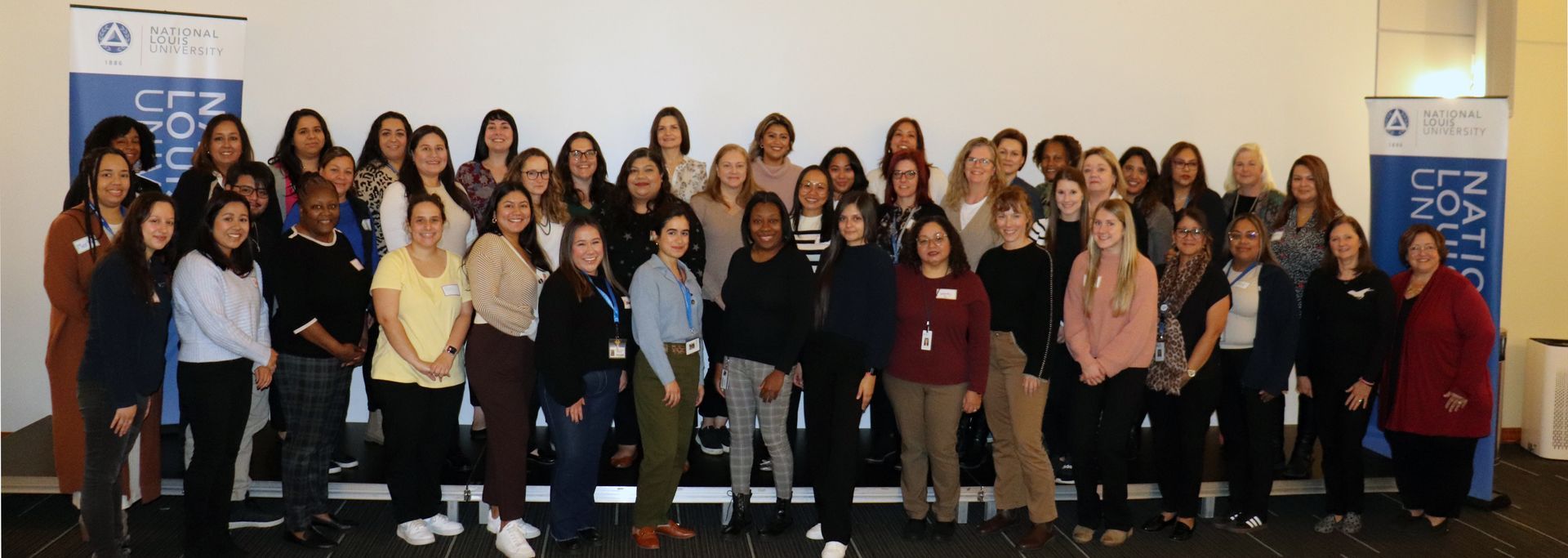
Explore the Opportunities of Canva: Basics, allowed participants to discover more about utilizing this resource. Access the
webinar recording to see design demonstrations in the Canva studio.
Once you’ve created your first project, Canva makes it easy to share. Your project can be shared via a custom link, or you may download your design files directly onto your computer. Additionally, Canva offers printing services for products such as signage, apparel, and business cards.
Click here for additional information.
If you are ready to strengthen your marketing efforts by enhancing your design skills, get started today by making an account for free when you navigate to
canva.com.
Canva Pro, available for a fee, offers additional features and templates. Consider checking into reduced or no-fee options for those working in the
education field and at
nonprofit organizations. Are you motivated to learn more about using Canva to build your brand? Join us to learn more about building your brand and making and sharing your business card. Mark your calendar for the McCormick Center’s upcoming virtual technology training,
Explore the Opportunities of Canva: Building Your Brand.