McCormick Institute for Early Childhood

BY | March 27, 2015

Tom Fitch to receive 2015 Corporate Champion for Change Award

WHEELING, IL — March 27, 2015 — Leading a construction company and a child care center lends Tom Fitch the metaphors he needs to make the case for early childhood education in newspapers and in front of state government committees.


“Building a strong economy requires the same approach as planning for a good construction project. A solid foundation and high-quality materials are vital. Skimp on them, and you’ll soon wish you hadn’t,” Mr. Fitch wrote in a powerful op-ed published by The State Journal-Register.


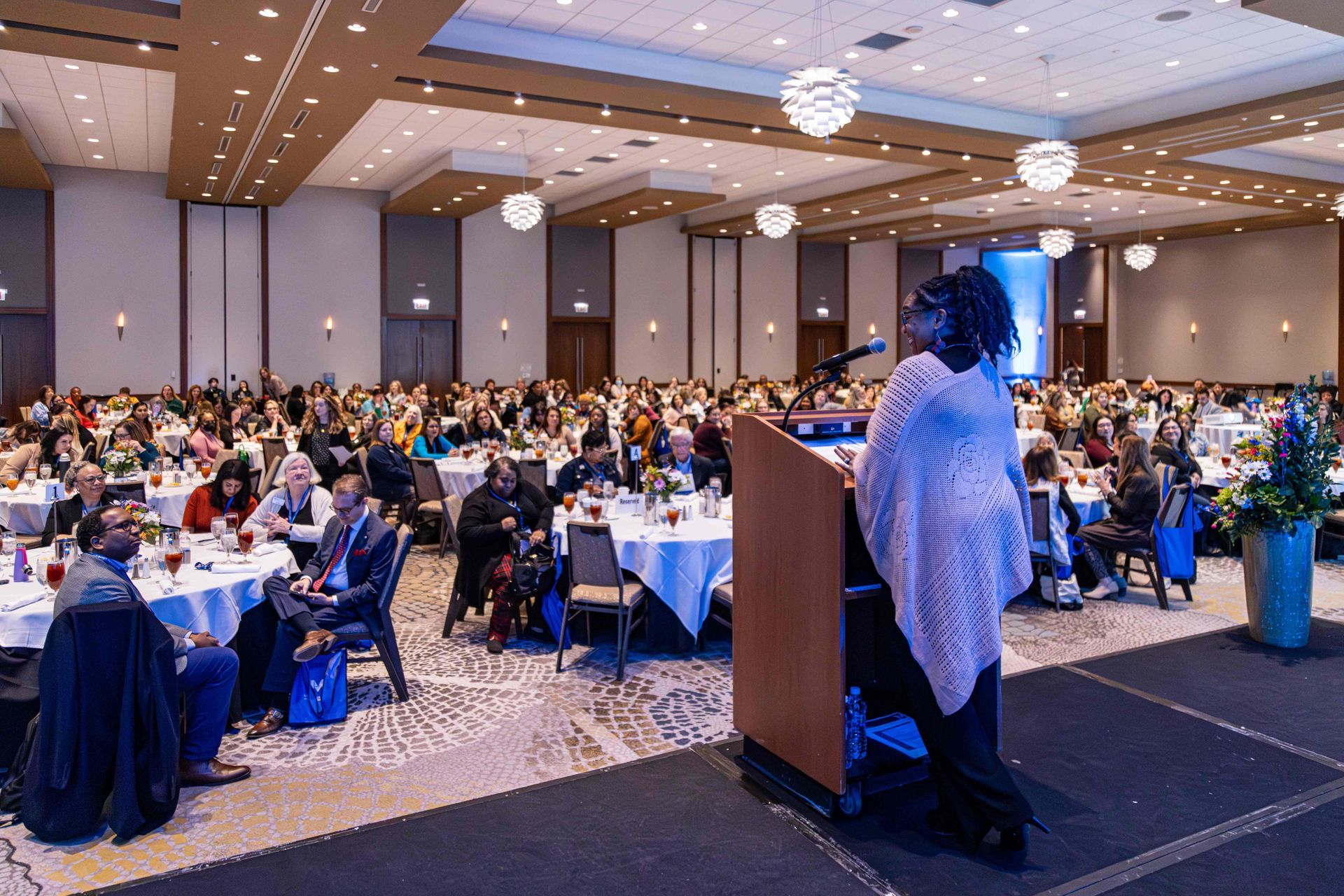
In recognition of his dedication to the early childhood education field, the McCormick Center for Early Childhood Leadership at National Louis University is pleased to present Mr. Fitch with the 2015 Corporate Champion for Change award. Presentation of the award will take place Thursday, May 14, 2015, at the McCormick Center’s Leadership Connections™ National Conference in Wheeling, Illinois.


The Corporate Champion for Change Award originated in 2006 to recognize those in the corporate community who have played a significant role in promoting the professional development of early childhood leaders and increasing the public’s understanding of the importance of early care and education.


The McCormick Center selected Mr. Fitch because of his work advocating for children and families. Specifically, he was chosen for his work as a ReadyNation advisory board member, his compelling message in a State Journal-Register op-ed, his first-hand experience as owner of First Impressions Day Care, his involvement with the Business-Education Partnership and the Early Learning Center in Springfield, and most notably, his role in providing a platform for early childhood practitioners to advocate for themselves through a radio remote. His level of participation and advocacy in the field is something we value and believe can inspire others, including the practitioners attending Leadership Connections.


About Leadership Connections™ National Conference


Leadership Connections offers an exceptional professional development experience where early childhood professionals can learn, network, and reenergize. This year’s conference is particularly special as we celebrate our 30th company anniversary and 15th conference anniversary. The conference is designed specifically around leaders in the early childhood field and is held annually just north of Chicago.


Whatever an attendee’s role—early childhood administrator, policymaker, resource and referral specialist, college instructor, family child care provider, or independent consultant—Leadership Connections provides inspiring sessions planned with participants’ needs in mind.

By Cara Murdoch and Sherry Rocha December 12, 2025
By Cara Murdoch and Sherry Rocha Community collaborations can strengthen your early childhood program, expand services for families, and increase your visibility and credibility as a trusted resource in the community. But effective partnerships don’t begin with a phone call—they start with a plan. Start with internal planning Before reaching out to community members or organizations, gather insights from your internal team. Hold a brief planning meeting to discuss goals, identify needs, and build a shared vision for collaboration. Consider including: Members of your board of directors or advisory board Program staff members Interested family members and parents of enrolled children. REVISIT your mission and goals A clear, shared understanding of your program’s purpose will guide effective partnerships. Before reaching out to community members or organizations, gather insights from your internal team. Hold a brief planning meeting to discuss goals, identify needs, and build a shared vision for collaboration. Consider including: What is your mission? What strengths and expertise do we bring to the community? What challenges do our enrolled families face? What support or resources would be most helpful? What can we offer potential partners in return? Clarity about these questions will ensure that your outreach to community members and organizations is focused and meaningful. Learn about local resources Begin exploring the services and organizations that exist in your community. These may become valuable referral partners or direct collaborators. Examples include: Early intervention services Family support agencies Mental health providers Multilingual tax-preparation volunteers Knowing these resources helps you connect families with the help they need. share your space and services Your early childhood center may be a valuable asset for other groups. Consider offering your space to other programs or groups to strengthen your role as a community hub. Possibilities include: Scouting America or Girl Scout meetings Parenting workshops or support groups Health screenings or nutrition programs Community committee meetings participate in community events Raising visibility in your community opens doors to partnership. Become involved in: Neighborhood clean-up days Local fairs or festivals Library literacy events Cultural celebrations School district events These types of interactions naturally build trust and relationships. build and expand your network Partnerships often begin with small conversations or shared goals. Stay curious and connected—the more people you meet, the more opportunities arise. Potential collaborators include: Museums Public libraries Human services departments Colleges and universities Local schools Cooperative Extension services Hospitals and clinics Banks and financial advisors Mental health agencies Early intervention programs Remember: partnerships are mutually beneficial Successful collaborations are built on: Clear communication Shared goals Appreciation for each other’s strengths A commitment to supporting families and the community Whether the support you receive is financial, advisory, or educational, strong partnerships help everyone thrive. A final thought Community partnerships don’t happen overnight. With the proper planning, your early childhood program can become a powerful and connected resource in your neighborhood. Start small, stay open to ideas, and let relationships grow.
Show More