McCormick Institute for Early Childhood

BY | February 5, 2020

A building with a sign that says chicago on it

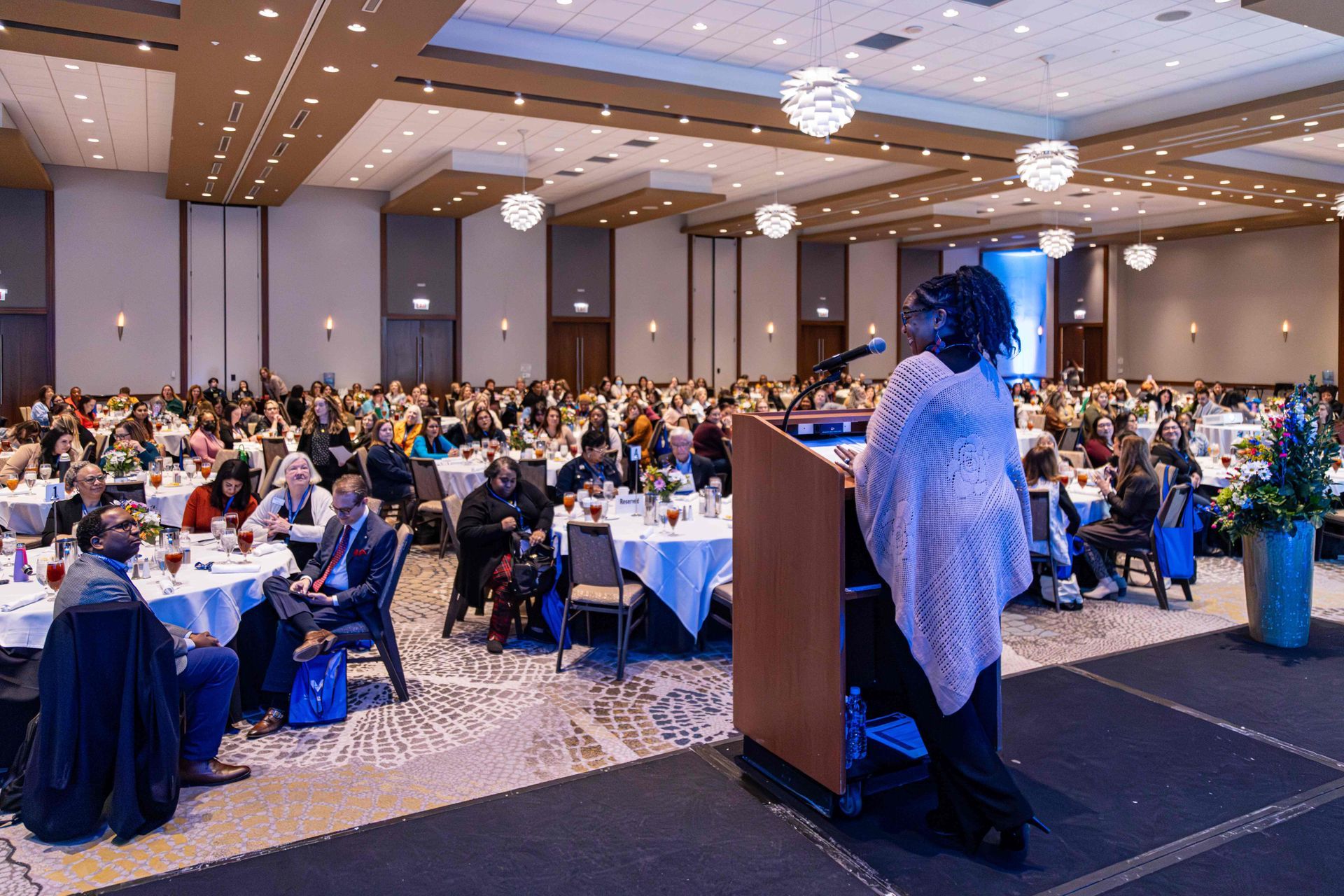
Twenty-twenty marks the first full year for early childhood classrooms across the state of Illinois to be consistently evaluated with the same set of criteria by a highly-skilled team of assessment specialists.

McCormick Center for Early Childhood Leadership at National Louis University was awarded contracts with the Chicago Department of Family Support Services in December 2018, and later Chicago Public Schools, to conduct classroom quality assessments for all Chicago Early Learning programs. These programs are housed in a variety of settings including public schools, community-based sites, and family child care homes.

“We are thrilled to be part of the bridge between the City of Chicago’s early learning programs and those in the rest of the state,” said Dr. Teri Talan, Michael W. Louis Chair and Senior Policy Advisor at the McCormick Center. “Now Illinois has a unified quality assessment system. That means the quality of the early childhood programs in southern Illinois, in Chicago, and everywhere between will be consistently measured, providing detailed reports for program staff and coaches to use in continuous quality improvement efforts.”

The McCormick Center is a familiar name to those who build and support the early childhood system in Illinois. The assessment team conducts early childhood classroom and program assessments throughout the rest of Illinois—a role it has played since 2007 when Illinois first launched its quality rating and improvement system. Today that system is known as ExceleRate Illinois. Since then, the McCormick Center has conducted more than 12,000 classroom and program quality assessments through contracts with the Illinois Department of Human Services and the Illinois State Board of Education. The McCormick Center’s assessment work is recognized and used as a model by other states in the design of their quality recognition and improvement efforts.

“Our assessment specialists are motivated by the knowledge that they are providing data to support teaching practices and inform professional learning. Our work in Chicago provides a foundation for coaching classroom teachers and will influence Chicago’s leadership decisions by providing reliable and timely data about the quality of early learning programs in the city,” said Dr. Melissa Casteel, Director of Assessment City of Chicago, at the McCormick Center.

At the McCormick Center, we improve the quality of early learning programs through professional development, research and evaluation, and public awareness. We are driven to promote a greater understanding of the critical role of early childhood leaders in the provision of quality services for children and families.

The McCormick Center has offices in Chicago and Wheeling, Illinois.
By Cara Murdoch and Sherry Rocha December 12, 2025
By Cara Murdoch and Sherry Rocha Community collaborations can strengthen your early childhood program, expand services for families, and increase your visibility and credibility as a trusted resource in the community. But effective partnerships don’t begin with a phone call—they start with a plan. Start with internal planning Before reaching out to community members or organizations, gather insights from your internal team. Hold a brief planning meeting to discuss goals, identify needs, and build a shared vision for collaboration. Consider including: Members of your board of directors or advisory board Program staff members Interested family members and parents of enrolled children. REVISIT your mission and goals A clear, shared understanding of your program’s purpose will guide effective partnerships. Before reaching out to community members or organizations, gather insights from your internal team. Hold a brief planning meeting to discuss goals, identify needs, and build a shared vision for collaboration. Consider including: What is your mission? What strengths and expertise do we bring to the community? What challenges do our enrolled families face? What support or resources would be most helpful? What can we offer potential partners in return? Clarity about these questions will ensure that your outreach to community members and organizations is focused and meaningful. Learn about local resources Begin exploring the services and organizations that exist in your community. These may become valuable referral partners or direct collaborators. Examples include: Early intervention services Family support agencies Mental health providers Multilingual tax-preparation volunteers Knowing these resources helps you connect families with the help they need. share your space and services Your early childhood center may be a valuable asset for other groups. Consider offering your space to other programs or groups to strengthen your role as a community hub. Possibilities include: Scouting America or Girl Scout meetings Parenting workshops or support groups Health screenings or nutrition programs Community committee meetings participate in community events Raising visibility in your community opens doors to partnership. Become involved in: Neighborhood clean-up days Local fairs or festivals Library literacy events Cultural celebrations School district events These types of interactions naturally build trust and relationships. build and expand your network Partnerships often begin with small conversations or shared goals. Stay curious and connected—the more people you meet, the more opportunities arise. Potential collaborators include: Museums Public libraries Human services departments Colleges and universities Local schools Cooperative Extension services Hospitals and clinics Banks and financial advisors Mental health agencies Early intervention programs Remember: partnerships are mutually beneficial Successful collaborations are built on: Clear communication Shared goals Appreciation for each other’s strengths A commitment to supporting families and the community Whether the support you receive is financial, advisory, or educational, strong partnerships help everyone thrive. A final thought Community partnerships don’t happen overnight. With the proper planning, your early childhood program can become a powerful and connected resource in your neighborhood. Start small, stay open to ideas, and let relationships grow.
Show More