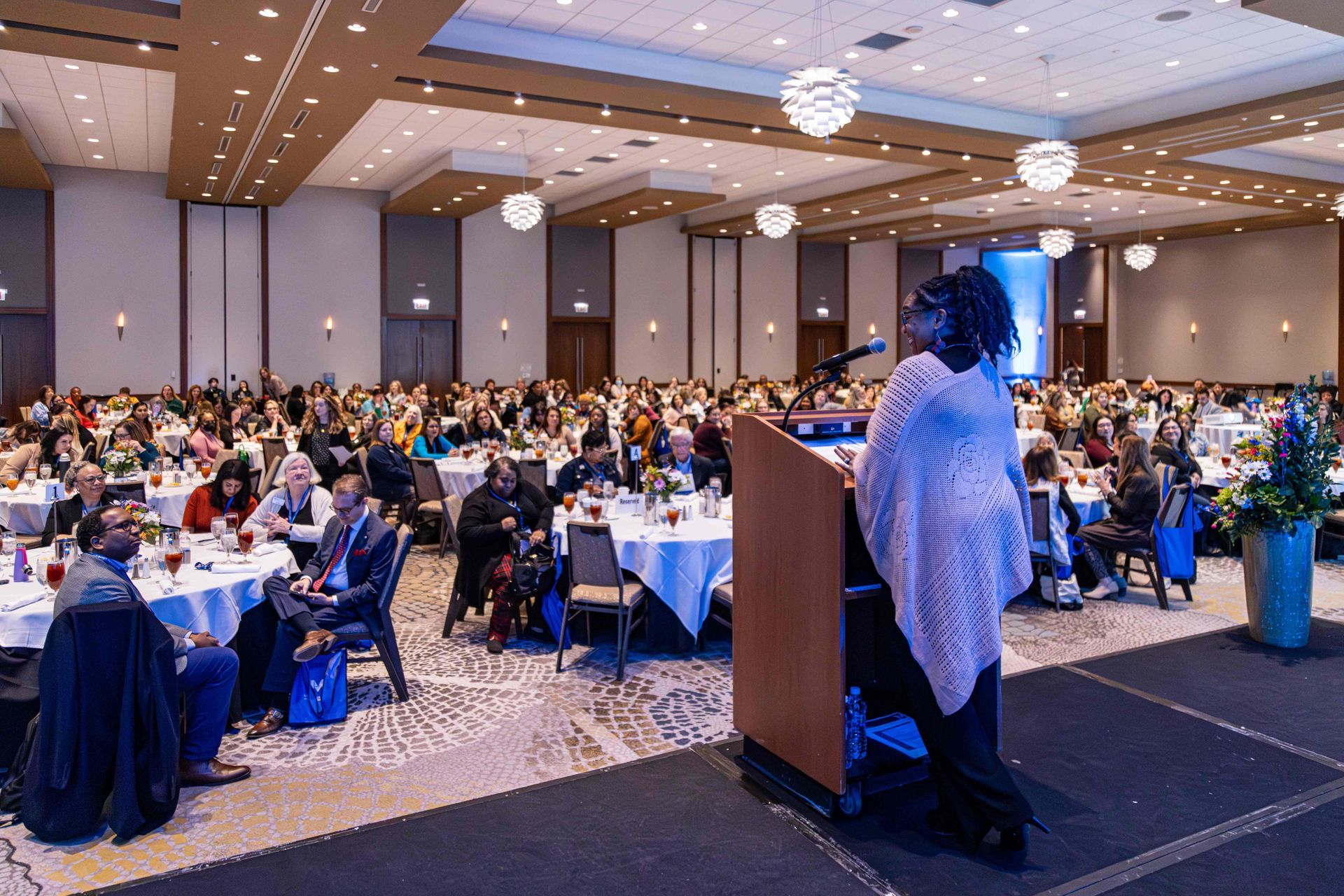
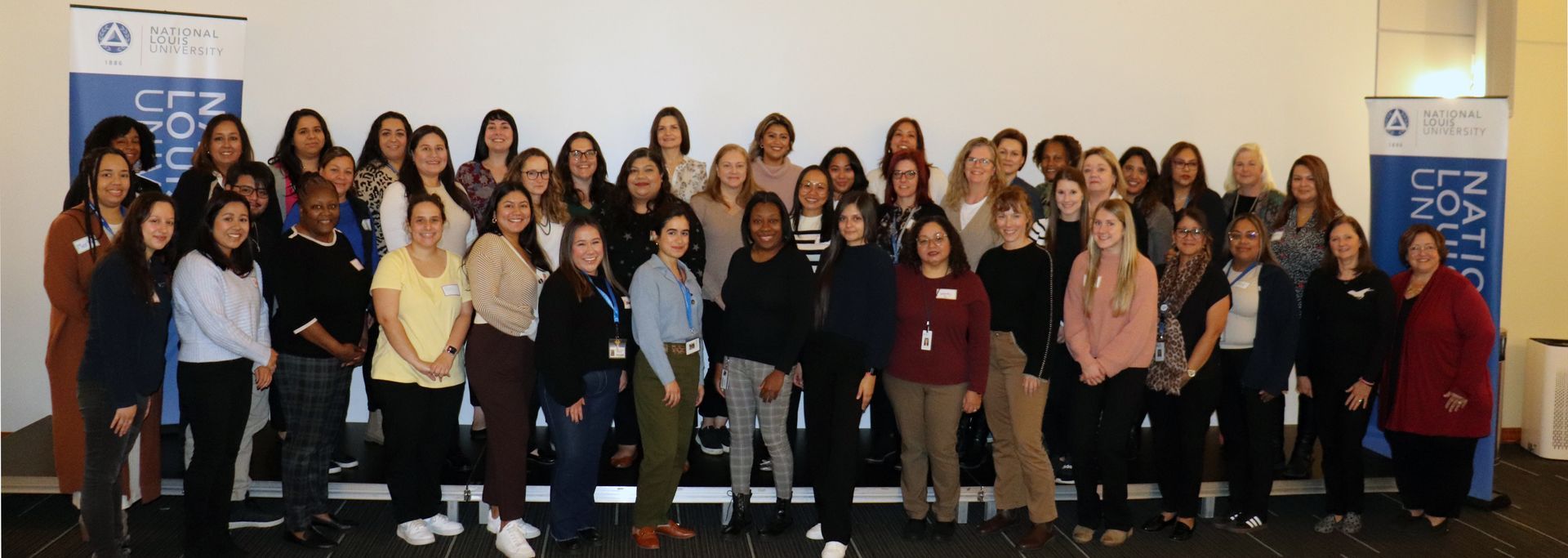
I have just returned from presenting at and attending the National Association for Family Child Care’s (NAFCC) 32nd Annual National Family Child Care Conference and I am experiencing a whirlwind of emotions. This was my first in-person conference since the start of the pandemic. While it exceeded my expectations and filled me with joy and appreciation, it also left me feeling sad and frustrated. Ultimately, it reminded me why I do what I do. Let me explain a bit more.
Exceeded Expectations: I have been attending and presenting at NAFCC’s conferences for over a decade. Every time I attend the conference, I am blown away by the dedication and excitement that NAFCC and its conference attendees exude. This year, though, it felt like there was something different in the air. From the opening panel’s discussion to one-on-one conversations, it seemed like, despite the many challenges providers have faced, there was a buzz of determination and recognition. A sort of electricity bouncing from wall to wall with the motivation to bounce back better, to bounce back stronger. Presenters spoke of retention in the field, NAFCC leaders discussed ways to band together to advocate for and make change, and providers stood tall championing themselves and each other in their continual commitment to quality (which happened to also be the theme of the conference). I knew I would be impressed, but this year truly exceeded my expectations.
Joy and appreciation: No one in this field has an easy job. Overall, early childhood care and education professionals are underpaid and underappreciated and at times, I wonder if family child care providers are impacted hardest or at least differently. They are often shrugged off as “babysitters” or seen as having an easier job than center-based administrators simply because their program is in the home. But we know that family child care is complex and taxing work. Providers wear all hats (administrator, teacher, accountant, family support specialist, cook, janitor, etc.), and as Dr. Juliet Bromer reminded us in the NAFCC opening session, they often do this work with little pay, little to no benefits, and in isolation. Despite all this, every family child care provider I know is a powerhouse of knowledge, love, ambition, and joy. I am so thankful to call so many providers my friends and colleagues.
Sadness and frustration: Despite all the positive experiences at NAFCC, I would be remiss if I did not share that I also felt sad and frustrated at times. You cannot ignore that despite all the hard work and motivation, family child care is struggling. Dr. Bromer presented information on the decline in family child care and its ties to lack of benefits, systems that do not understand or support the uniqueness of home-based education, and loneliness, among other things. Latona Godbolt, a family child care provider, spoke of the glass ceiling providers face and the continuous need for FCC to have to fight for a seat at the decision tables. Dr. Susan Hendricks shared her research showing a lack of business-specific coursework in higher education that meets the needs of family child care. It was hard to return to one of my favorite conferences and discover that we are still fighting many of the same fights.
Why I do what I do: Even in the face of sadness and frustration, I left NAFCC reminded why I do what I do—why the McCormick Center for Early Childhood Leadership champions leaders, creates tools and trainings to support the business side of the field, and why I have chosen a career where I talk about budgets and taxes so much.
You see, I have never filled up an entire room at NAFCC… until this year. Friday morning, I presented
More Than a Nurturing Heart: Looking at Quality through a Business Administration Perspective, which provides an overview of the
Business Administration Scale for Family Child Care (BAS), and a full 15 minutes before my session was set to begin, my room was full to capacity. People were taking chairs from the room next door to squeeze into mine. In all my years at NAFCC, I have stuck to business and professional practices (e.g., contracts, budgets, taxes, marketing, etc.), and often times there is at least one session booked at the same time as mine that sounds much more exciting. Sometimes it is a hands-on STEM session or a session related to working specifically with toddlers, or something about science in the backyard; you get the idea, topics that sound a lot more enthralling than business.
This year, those types of sessions were still booked at the same time as mine and yet, my session was full to the brim. I think it had something to do with that buzz in the air that I mentioned. Providers this year showed up hungry for support for the business side of their work. They spoke of their roles as entrepreneurs, leaders, mentors, and advocates. They arrived ready and eager to discover more tools and strategies to help their businesses succeed and to build up future providers. One provider told me she was only attending sessions this year that were in the Professional and Business Practices track. I was ecstatic! Many times over the course of the conference, I found myself thinking how lucky am I that I can help support providers in their work as entrepreneurs. If I can help keep the doors open for even one family child care program, help one provider increase profits, or one program move to the next level of a quality rating and improvement system (QRIS), all my work is worth it. Yes, many of the same frustrations are still there, but something has also changed. Providers are demanding to be seen as the small business owners that they are, and I am thrilled to support them.
Self-Reflection:
- Have you recently attended a conference that made you stop and reflect on where we are as a field? What emotions did that elicit in you?
- What do you think are some of the advantages of being a member of a national association specific to your work like NAFCC or the National Association for the Education of Young Children (NAEYC)?
- Are there any local associations or formal networks in your area that could help support you in your role?
Interested in learning more about the tools or trainings mentioned above? The McCormick Center has a wide selection of professional development opportunities designed to meet the needs of center-based administrators, family child care providers, and those in technical assistance roles. Click here to learn more contact us at PAS.BAS@nl.edu